
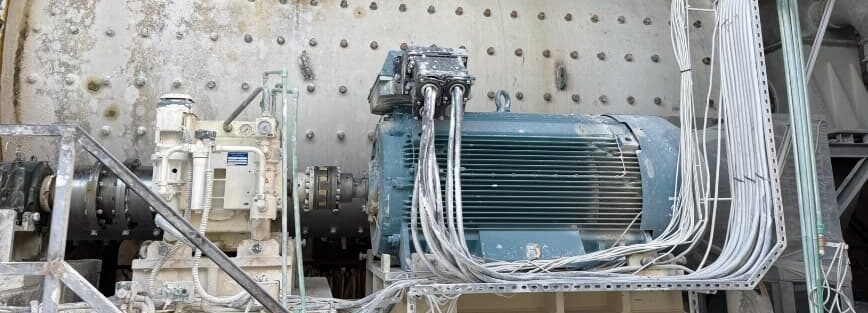
VFD not starting motor can be a critical issue, since a VFD regulates the power supply’s frequency and voltage to control the torque and speed of AC motors. This function provides several advantages for the manufacturing, processing, and industrial sectors.
A VFD adjusts motor performance to meet system requirements, improving efficiency, reducing energy consumption, and even lowering operating noise levels. However, when the VFD fails to start the motor, quick and accurate troubleshooting becomes essential to avoid costly downtime and production delays.
Top Reasons Why VFD Not Starting Motor
It is important to understand the most common reasons why a VFD may fail before troubleshooting, especially if you have limited experience with power electronics. By identifying these reasons, you can narrow down the root cause of a VFD not starting motor and address it effectively. Below are the most frequent external and internal factors:
1- Poor Environmental Conditions
VFDs are sensitive to dust, moisture, corrosive chemicals, and heat, just like computer systems. Exposure to these conditions can shorten their lifespan and lead to failure.
2- Insecure Power Cable Attachments
Loose or aging power connections can prevent the VFD from functioning correctly. Always ensure secure cable connections and inspect components regularly.
3- Severe Bus Error
A VFD not starting motor can result from external factors such as sudden voltage spikes in the AC supply line or high inertia from the connected machine. In these cases, the load rotates faster than the motor, forcing the VFD to protect itself. To avoid damage, the drive shuts down the IGBTs on the inverter side and trips on a high DC fault.
4-Elevated Initial Current
Unexpected changes in the processing speed or connected load may be indicated by a high beginning current on the VFD display reading.
5- Capacitor malfunction
Large capacitors in the VFD filter out AC ripples on the DC bus. Over time, electrolytic capacitors wear out faster than other components, especially under high temperatures. When they degrade, the VFD can fail or stop starting the motor properly.
6- Fault with Overcurrent
A common cause of a VFD not starting motor is an overcurrent fault during rapid acceleration at startup. To troubleshoot, first check that all power connections are secure. Loose or faulty wiring can lead to overvoltage, overcurrent, blown fuses, and even VFD damage. Also, inspect the connected load to ensure there is no excessive friction or mechanical damage.
Read about: How to measure vfd output voltage?
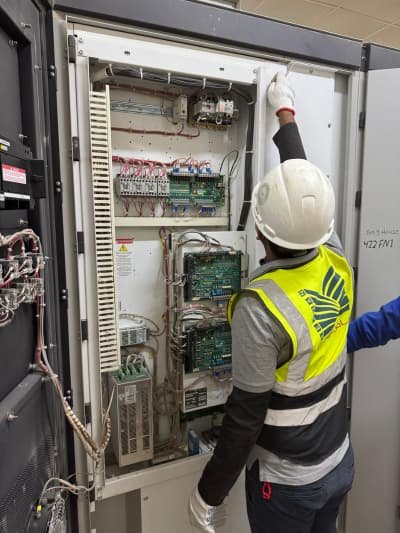
How to Determine the Cause of VFD Not Starting Motor
In VFD (Variable Frequency Drive) systems, motor start issues are diagnosed by first doing a visual inspection, looking for fault codes, and then methodically testing the drive, motor, and connections. Incoming power, DC bus voltage, drive settings, and motor health are important topics to look into.
1. Visual Examination
- Inspect the VFD and motor for physical damage, soot buildup, or overheating.
- Check all wiring—power, motor, and control—for secure connections and corrosion.
- Assess the environment for dust, moisture, or extreme heat.
- Verify cooling: ensure vents are clear and fans operate correctly.
2. Examine alarms and fault codes
Check the VFD display for alerts or error codes that might indicate the origin of the issue.
3. Check Incoming Power
Ensure that the phases are balanced and the input voltage and current are within the VFD’s parameters.
4.Examine the DC Bus
- Check the DC bus voltage against the manufacturer’s recommendations.
- Look for overvoltage or undervoltage. Investigate the cause if the voltage is outside the permissible range.
5. Check the VFD Configuration
- Verify parameters such as motor start, acceleration, and current limit settings.
- Ensure proper setup for the specific motor and application.
6. Examine the motor
- Use a multimeter to check the motor windings for ground faults or short circuits.
- Verify if the motor’s resistance falls within the anticipated range by testing it.
- Test motor insulation: If at all feasible, test the motor’s insulation resistance.
7. Look for any mechanical problems
- Inspect the driving apparatus for mechanical issues that might cause stalling or tripping.
- Check shafts and couplings: ensure the motor is properly connected to the driven equipment and that shafts and bearings are in good condition.
Common Electrical and Mechanical Faults Affecting Motor Start
The most frequent reasons why a VFD does not start the motor include bearing issues and winding insulation failures.
- Variable voltages: Transient voltages on distribution networks can be caused by nearby loads switching, power factor correction capacitor banks, or even weather conditions.
- Voltage imbalance: Often occurs when three-phase systems supply single-phase loads.
- Harmonic distortion: Extra high-frequency voltages or currents feeding energy into the motor windings.
- PWM signal reflections: Pulse Width Modulation (PWM) used by VFDs to regulate output voltage and frequency can cause reflections.
- Sigma currents: Errant currents flowing through the system.
- Unbalanced shaft: When a rotating component’s center of mass is not on its axis.
- Soft foot: Uneven motor or equipment mounting feet or surface.
- Pipe strain: Stresses and forces on infrastructure transmitted back to the motor causing misalignment.
- Shaft voltage: When shaft voltages exceed bearing grease insulation, flashover currents can cause bearing pitting and grooving.
Step-by-Step Guide to Fixing Motor Start Issues
The primary procedures when the VFD not starting motor and for fixing an electric motor are listed below. Remember that these six stages are only a summary.
It is always advised to leave this task to trained specialists, as this guide only provides a broad framework.
1. Determine the Issue
Identify the problem first. Common issues include:
- Strange sounds
- Overheating
- Low output power
- Sparks
- Vibrations, etc.
By recognizing the problem, you can determine the underlying cause and choose the best repair approach. Experts use specialized tools to examine motor components, such as assessing shaft alignment.
2.Turn on the electric motor
After identifying the issue, open the motor to inspect its internal parts. Use pliers, screwdrivers, and other appropriate tools. Seek expert help if unsure how to proceed.
3. Investigate the Internal Elements
Examine components like:
- Carbon brushes
- Commutator
- Bearings
- Rotor
- Stator
- Capacitor
- Electrical connections and solder joints
Take pictures or notes during disassembly to aid reassembly. Some faults may not be visible; instruments like a multimeter are needed for accurate diagnosis.
4. Change Any Defective Parts
Replace faulty components with high-quality parts suitable for your motor model. Spare parts can be sourced from the original manufacturer or specialty suppliers. Some repairs, such as rewinding the motor, may require expert intervention.
5.Put the electric motor back together
Reassemble the motor carefully, ensuring all parts are positioned correctly. Use your notes or photos to guide placement.
6.Test the electric motor
Plug in the motor and check for overheating, unusual sounds, or other issues. If everything functions correctly, the motor has been successfully repaired.
Tips to Prevent Future Motor Start Failures
Follow these four tips to avoid motor drive and rotating component failures:
1-record the initial asset condition information and requirements
- Document operating conditions, machine requirements, and performance tolerance ranges.
- Routine inspections become easier, as deviations from the initial installation can be quickly identified.
2-Establish a preventive maintenance program
- Monitor motor operating conditions regularly.
- Compare updated measurements with initial specifications to spot irregularities.
- Use thermal imaging to track heat production in motors and other equipment.
3-Document measurements to create a baseline
- Keep records of measurements and thermal images from each inspection.
- Investigate any trend changes above 10–20% to identify underlying issues.
- Adjust the percentage based on asset criticality or system performance.
4-Conduct trend analysis
- Continue measuring and tracking performance regularly.
- Use collected data to analyze trends and observe changes in motor condition over time.
Need Professional Help with Your VFD Motor?
At R-aletqan, we know how essential regular maintenance is for keeping your automated systems running smoothly. A malfunctioning VFD can cause costly downtime and unexpected delays in your operations.
Our team provides expert support, reliable spare parts, and advanced automation solutions to keep your business on track. Get in touch with us today to discuss your needs or request a quotation
Conclusion
In summary, regarding VFD not starting the motor, you expect your equipment to survive a long period when you invest in VFDs to aid with the energy usage of your application. Attempting to handle errors on your own can become quite irritating as they start to happen. Your best choice for fast and correct repairs is to call a qualified VFD expert.
FAQs
How can I troubleshoot a VFD that’s not starting the motor?
Check the power supply and make sure all wiring connections are secure and correct.
Can motor faults cause a VFD to refuse to start?
Yes, motor issues can indeed cause a variable frequency drive (VFD) to refuse to start.
Could a wiring issue prevent the motor from starting with a VFD?
Indeed, when utilizing a Variable Frequency Drive (VFD), a wiring issue might prohibit a motor from starting.