A Saudi-based drive integration provider supplies, sizes, installs, and commissions variable frequency drives for industrial facilities across Saudi Arabia. For teams planning VFD installation and commissioning, the safest approach is to treat the job as a full engineering and startup task, not a simple wiring activity, because a power drive system includes the converter, control, and motor interface and must also meet EMC requirements in real site conditions.
That matters because many startup problems do not come from the drive hardware itself. They usually come from wrong motor data, poor installation practice, grounding issues, cable problems, incorrect parameters, overload conditions, or unresolved motor and load faults. The local drive page highlights retrofitting, upgrades, LV and MV coverage, pumps and fans among core applications, and the need to choose the drive based on the application and environment.
What to check before installation starts?
Before installation, the first check is whether the drive has been sized against the real motor and load, not just a rough horsepower match. The motor-selection guidance states that the drive’s current rating should match the motor’s full-load amps and that voltage, phase, and load type must also be checked before final selection.
The second check is application type. A VFD that will run a pump, fan, conveyor, or compressor should be configured around the actual load behavior, because variable-torque and constant-torque applications do not behave the same way. The local drive page explicitly lists pumps, fans, conveyors, crushers, and other industrial loads as supported applications.
The third check is the site environment. The local service page says enclosure, communication, and application conditions matter, while IEC 61800-3 makes EMC compliance part of the power drive system requirements. In practice, that means the installation plan should review enclosure rating, ambient conditions, cable routing, grounding, and interference risk before the drive is energized.
For most projects, a useful starting point is variable frequency drives and VSDs, then the motor side should be checked through industrial electric motors when the site is dealing with older motors, converter-fed machines, or replacement projects.
Common issues that appear during VFD installation and commissioning
Wrong motor data and wrong parameter entry
One of the most common startup problems is entering incomplete or incorrect motor data. The motor-selection guide notes that motor voltage, full-load current, and RPM must be verified from the nameplate, and that relying on horsepower alone can be misleading. When this step is skipped, nuisance trips and poor performance become much more likely.
Poor wiring, grounding, or installation practice
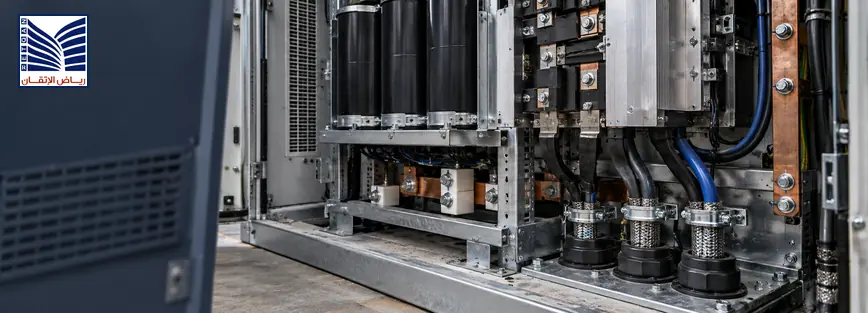
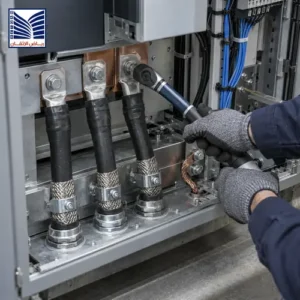
The installation guide states that VFD installation demands careful attention to detail to ensure safety, effectiveness, and peak performance. In practice, poor termination, grounding faults, wrong cable practice, or badly planned physical layout can create unstable startup behavior, EMC issues, or repeat faults later.
Overcurrent faults during startup
The overcurrent guide explains that VFD overcurrent faults commonly come from overload, circuit short conditions, or ground faults. It also notes that wrong settings, excessive load, damaged insulation, dampness, and grounding problems can all lead to trip behavior. This is why a commissioning team should never treat an overcurrent trip as a “parameter nuisance” until wiring, motor condition, and load condition have been checked.
General trip conditions after energization
The trip-diagnostics guide says VFD trips are protective shutdowns and lists overcurrent, overvoltage, undervoltage, overheating, ground faults, and motor or load-related problems among the most common causes. In practical commissioning work, that means the drive, the motor, and the driven equipment all need to be reviewed together.
Inadequate preventive checks before handover
The preventive-maintenance guidance says VFD preventive maintenance should include at least annual visual inspections, cleaning, torque checks, limited-life component replacement, and thermal scanning during operation. That is a reminder that commissioning should leave the site with a maintenance path, not only a running drive.
What a proper commissioning scope should include?
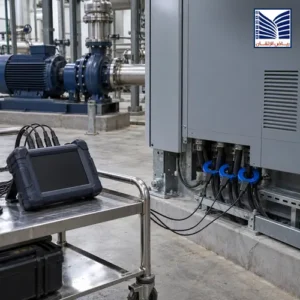
A good VFD commissioning scope should define more than power-up. It should normally include motor-nameplate verification, installation inspection, wiring and grounding checks, safe parameter entry, rotation check, load test, alarm review, and final records of the as-left settings. The local installation and maintenance pages support exactly that service-led approach.
This becomes even more important when the site is comparing a variable speed drive supplier KSA teams can trust, an industrial VFD supplier, or a VFD for pumps supplier Saudi Arabia shortlist. The differentiator is usually not the catalog alone. It is whether the supplier can turn the selected drive into a stable commissioned system with a clear handover record.
Useful supporting reads for this stage are VFD installation requirements, how to select a VFD for a motor, and VFD preventive maintenance checklist.
Diagnostic checkpoints before calling the project complete
Before closing commissioning, the team should be able to answer five practical questions.
First, does the drive rating truly match the motor current, voltage, and application? Second, have installation and grounding been checked in a way consistent with drive safety and EMC requirements? Third, have the likely trip causes been reviewed if any alarms occurred during startup? Fourth, has the motor and load been tested under real operating conditions? Fifth, does the site have the final parameters and maintenance notes for later support? These questions are directly supported by the local guides and IEC product standards for power drive systems.
Risk indicators that mean it is time to bring in a specialist team
A site should stop treating the issue as routine installation work and escalate to a specialist team when one or more of these signs appear: repeated overcurrent trips, ground-fault suspicion, poor motor matching, unstable operation under load, repeated overheating, unclear cable or grounding quality, or an old motor being placed on a newly commissioned drive. The local trip guides and IEC drive-system requirements support that escalation logic.
This is especially true in pumping, HVAC, and process applications where the drive may be technically installed but still not operationally stable. In those cases, the project usually needs a proper review of the drive, motor, load, and site conditions together rather than isolated trial-and-error changes.
FAQ
What should be checked first before VFD installation and commissioning?
Start with real motor data, load type, site conditions, wiring approach, and whether the drive rating matches the motor full-load current and voltage. Those checks reduce many common startup faults.
Why is installation quality so important with VFDs?
Because drive systems are not just power devices. IEC 61800-5-1 covers safety requirements for the power drive system and IEC 61800-3 covers EMC requirements, so poor installation practice can create safety, reliability, and interference problems even when the drive model is correct.
What are the most common problems during commissioning?
Wrong motor parameters, overload conditions, wiring issues, ground faults, shorts, overheating, and load-related problems are among the most common startup and early-operation problems.
When should a specialist team be brought in?
Bring in a specialist team when trips repeat, grounding or insulation is in doubt, the application is critical, the motor is old or high consequence, or the drive and load do not behave predictably under real operating conditions.
If your facility needs VFD installation and commissioning Saudi Arabia support for sizing, startup, troubleshooting, or handover, begin with variable frequency drives and VSDs, align older or critical machines through industrial electric motors, and use contact the engineering team to request a technical review and quotation.