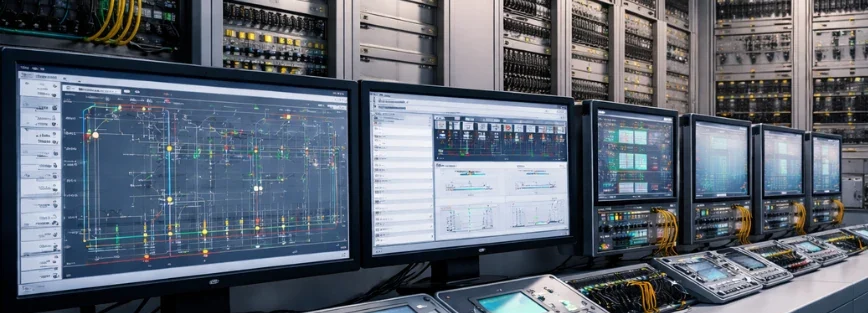
SCADA system for electrical substation is a critical supervisory layer used to monitor electrical equipment, alarms, and operational events in modern power facilities. In substations, operators and maintenance teams depend on fast access to status indications, measured values, alarms, events, and switching information. A well-designed substation SCADA system helps bring those functions together in a way that supports reliability, compliance, and safer operational decision-making.
This article explains the architecture of substation SCADA, the communication layer, common operating challenges, integration with power management systems, and the preventive measures that help reduce downtime.
What is a SCADA system for electrical substation?
A SCADA system for electrical substation is the supervisory layer that gathers data from equipment in the substation and presents that information in a usable way for monitoring, alarm response, reporting, and controlled operations. It is commonly used to support breaker status monitoring, analog measurements, alarm and event logging, remote indications, and, where approved, certain control functions.
In practical operational terms, it can support:
- Real-time monitoring of electrical parameters and equipment status.
- Centralized alarm visibility for abnormal conditions and protection events.
- Event logging with timestamps to support troubleshooting and post-event review.
- Remote visibility across multiple bays or substations where the architecture allows it.
- Maintenance planning through access to historical trends, indications, and system diagnostics.
Its exact role should always match the approved operating philosophy of the facility. Control functions, authority levels, and safety restrictions must be clearly defined and documented.
Architecture of Substation SCADA System
Start with the architecture, because system reliability depends on how field data, communications, and supervisory functions are arranged::
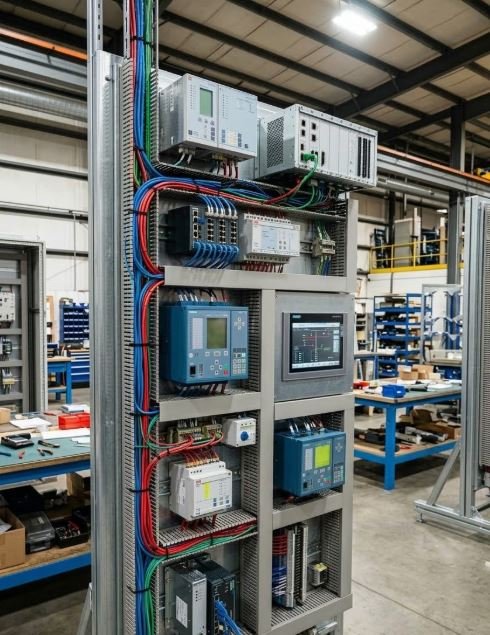
A Substation automation system usually combines field devices, communication infrastructure, engineering workstations, servers, HMI interfaces, and supervisory applications into one coordinated environment. Its purpose is to collect data from primary and secondary equipment, present it to operators, store events and trends, and support control functions under approved operating procedures.
A typical architecture may include:
- Field devices: bay controllers, meters, PLCs, or RTUs.
- Communication layer: Switches and network paths linking field devices to supervisory servers.
- Supervisory layer: SCADA servers, historian/event storage, and operator workstations.
- Engineering layer: Engineering stations for configuration, diagnostics, and maintenance.
- Integration interfaces: Connections to power management, disturbance recording, or enterprise monitoring.
The architecture should be defined according to project requirements, utility standards, and the functional expectations of the site. Redundancy, network segregation, and event handling requirements are usually decided during engineering rather than during later troubleshooting.
Read about: What is a SCADA attack?
Substation SCADA Communication Protocols
Protocols matter because visibility and control depend on reliable and interoperable data exchange:: Substation supervisory control systems depend on communication protocols to move information between field devices, bay equipment, protection relays, control gateways, and supervisory applications. The protocol choice can affect interoperability, event handling, engineering effort, and future expansion.
Common Protocols in Substation Environments:
| Protocol | Context and Application |
|---|---|
| IEC 61850 | For substation automation and interoperability between compliant devices. |
| IEC 60870-5-101/104 | Where utility and remote telemetry requirements call for it. |
| DNP3 | In some utility and industrial power applications. |
| Modbus or vendor-specific protocols | For certain metering or legacy integrations. |
| OPC-based integration | At the supervisory level where allowed by the design. |
The protocol layer should be selected and engineered according to the utility or client specification, required functions, and device compatibility. Good communication design usually includes addressing rules, time synchronization, testing procedures, and documented mapping.
Read about: SCADA Troubleshooting: Steps, Common Problems & Solutions
Common Operational Challenges in Substation SCADA
Operational challenges often appear as visibility gaps, alarm quality issues, or communication instability::
Even when the architecture is technically correct, daily operation can expose weaknesses in communication, event handling, alarm presentation, or maintenance coordination. Substation environments are sensitive because operators rely on fast, trusted information.
Common operational challenges include:
- Intermittent communication loss between field devices and the supervisory layer.
- Alarm flooding or poor alarm prioritization during abnormal events.
- Time synchronization issues that affect event sequence review.
- Configuration drift after maintenance, retrofits, or device replacement.
- Limited visibility when older devices are integrated into newer supervisory systems.
These challenges do not always mean the system was poorly designed. They may result from later modifications, inadequate documentation, inconsistent commissioning records, or unmanaged changes.
Integration with Power Management Systems (PMS)
Integration becomes valuable when substation data must support broader power monitoring and decision-making:: In some facilities, substation SCADA does not operate as an isolated application. It may need to exchange information with a Power Management System (PMS), an energy management layer, or a wider plant monitoring environment.
This integration can support functions such as:
- Power demand visibility and load distribution awareness.
- Electrical event coordination between the substation and plant utility systems.
- Consolidated reporting for energy, availability, and incident review.
- Improved decision-making during abnormal power conditions or switching events.
Integration should be engineered carefully so that data ownership, control authority, event priorities, and communication paths remain clear. Poorly governed integration can create confusion during alarm response or maintenance work.
Our Industrial Automation services ensure seamless SCADA integration with plant systems, enhancing operational visibility and reliability.
Key Preventive Measures to Reduce Substation Downtime
Substation environments need preventive measures that reflect power system conditions, event sensitivity, and maintenance constraints:: Preventive measures in substations should go beyond normal server or HMI checks. They should include communication health, event integrity, protection interface review, and the condition of supporting infrastructure.
Practical preventive measures often include:
- Routine review of communication status, device availability, and event quality.
- Verification of time synchronization across relays, gateways, servers, and operator stations.
- Periodic backup of SCADA configurations, graphics, event settings, and integration mappings.
- Review of change records after relay replacement, retrofit, or bay modification.
- Inspection of network devices, power supplies, and environmental conditions in control panels or racks.
These measures should be part of an approved maintenance plan with clear responsibilities, records, and acceptance criteria.
How to Maintain Safety and Compliance in Substation SCADA
Safety and compliance should remain central because substation SCADA supports equipment linked to energized power systems:: Substation SCADA goes beyond IT monitoring. It directly impacts safety-sensitive operations, switching, and power conditions that affect maintenance and response.
Safety and compliance considerations often include:
- Clear authority rules for monitoring, remote indications, and control where applicable.
- Documented testing and commissioning records for communication and alarm functions.
- Compliance with project, utility, and client requirements for substation automation design.
- Alignment with applicable standards used in the project, such as IEC 61850 and utility communication requirements.
- Access control and disciplined engineering change management for supervisory systems.
The exact compliance framework depends on the project and asset owner. For that reason, all operational and engineering decisions should follow approved procedures and accepted design documents.
Future Trends and Innovations in Substation SCADA Systems
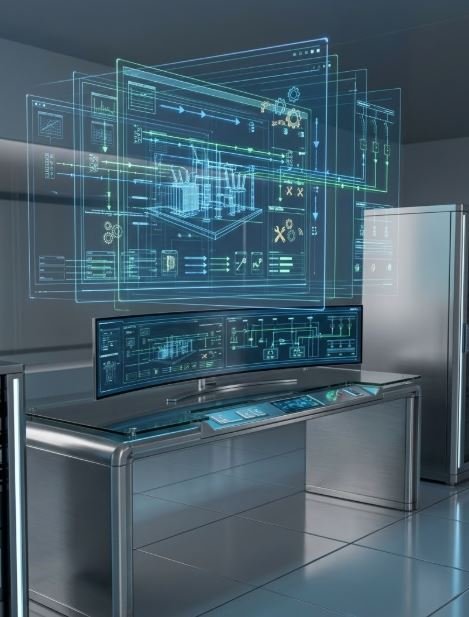
Future trends are shaped by digitalization, interoperability, and stronger requirements for visibility and resilience:: Substation SCADA systems continue to evolve as utilities and industrial operators expect more interoperability, better diagnostics, and stronger situational awareness. The direction of change is usually toward better integration, improved event intelligence, and more structured maintenance support.
Trends commonly discussed in the sector include:
- Wider adoption of interoperable substation automation architectures.
- Improved event analytics, reporting, and historical visibility.
- Closer integration with plant power monitoring, asset management, or grid-facing systems.
- More structured cybersecurity governance for connected substation environments.
- Greater use of engineering tools that improve configuration control and diagnostics.
Future expansion should be handled carefully to avoid increasing complexity without clear operational value. Change should always be backed by engineering review and lifecycle documentation.
Maximize Substation SCADA Reliability – Prevent Downtime
Ensure the reliability of your substation SCADA system and minimize downtime with professional support from Riyadh Al-Etqan Company (R-Aletqan). Our team helps maintain documentation quality, implement disciplined maintenance practices, and support operational continuity. Contact us today to discuss your project and request a quotation.
When clients engage Riyadh Al-Itqan Company, the service
value typically includes:
- Practical review of substation SCADA architecture and communication behavior.
- Support for preventive maintenance planning, documentation, and change discipline.
- Awareness of relay, PLC, SCADA, and power monitoring integration points.
- A professional workflow suited to booking, technical discussion, and quotation stages.
Conclusion
SCADA system for electrical substation should be engineered and maintained as a critical supervisory layer, not as a basic display function. When architecture, protocols, preventive measures, safety requirements, and integration with power systems are handled properly, substations are better prepared to reduce operational interruptions and improve response quality.
To review our capability presentation and discuss your substation SCADA needs, view the company presentation and contact Riyadh Al-Itqan Company to book a discussion and request a quotation. View the presentation
FAQ
Why is SCADA essential for electrical substations?
SCADA is essential because it helps operators and maintenance teams see equipment status, measurements, alarms, and events in one supervisory environment. That visibility supports faster response, better fault review, and more organized operation of the substation.
How does a SCADA system help reduce faults and downtime in substations?
A SCADA system can help reduce faults and downtime by improving alarm visibility, event recording, communication review, and maintenance planning. It does not remove all risks, but it supports earlier detection of abnormal conditions and faster diagnosis when issues arise.
What problems can occur if a substation SCADA system is not properly designed or maintained?
Problems can include poor alarm quality, unreliable event records, communication instability, delayed operator response, integration issues with protection or power monitoring systems, and increased troubleshooting time after abnormal events.