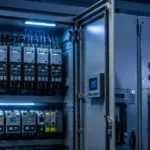

How to choose a DCS system integrator for industrial plants in Saudi Arabia is a critical decision that directly affects reliability, safety, and long-term operational performance. A qualified DCS system integrator must be able to design the control architecture, map I/O and third-party interfaces, execute commissioning and loop checks, and support system upgrades after handover.
A DCS is an OT-based control system designed for large industrial plants, where success depends on engineering quality, disciplined integration, and structured risk management—not just hardware supply.
Therefore, industrial buyers should evaluate DCS system integrators based on engineering depth, commissioning scope, documentation quality, cybersecurity processes, and lifecycle support rather than price alone. Standards such as ISA-95 and IEC 62443-2-4 define how system integration and cybersecurity should be properly managed in industrial automation projects.
How to Choose a DCS System Integrator: Key Evaluation Factors
Choosing the right DCS system integrator should be based on clear engineering and lifecycle criteria rather than price alone. Buyers should evaluate integrators based on:
- Engineering depth in control system design and architecture
- Ability to define control narratives, redundancy strategy, and third-party package interfaces
- Understanding of historian requirements, alarm philosophy, operator workflow, and shutdown logic
- Proper handling of remote I/O architecture and ISA-95 integration layers
- Commissioning capability including FAT, SAT, loop checks, interlock verification, and startup support
- Documentation quality such as system architecture, I/O lists, tag mapping, alarm lists, test records, and as-built data
- Cybersecurity practices aligned with standards like IEC 62443-2-4 for OT environments
- Lifecycle support including upgrades, obsolescence management, and migration planning
What a serious DCS integrator should understand before quoting
A qualified DCS supplier Saudi Arabia buyers shortlist should ask detailed technical questions before recommending architecture or migration scope. The right starting points are process units, control narratives, redundancy strategy, third-party package interfaces, historian requirements, alarm philosophy, operator workflow, shutdown logic, remote I/O strategy, and any need to integrate business or manufacturing systems across ISA-95 layers.
That evaluation stage is where engineering depth becomes visible. A weak bidder talks mainly about servers, controller counts, and graphics. A strong bidder talks about sequence ownership, interface boundaries, failure modes, recovery paths, and how the control layer will coexist with existing monitoring, reporting, and operations systems. For that reason, buyers comparing a process control system supplier should review not only the product line but also the integrator’s approach to system assessment, installed-base evaluation, and serviceability recovery.
For projects that begin with product selection and then expand into implementation, it helps to start from the Distributed Control System (DCS) scope and then connect it to related Monitoring System (SCADA, HMI) requirements as early as possible.

Why Commissioning Scope Is Critical in DCS System Selection
Many industrial buyers compare architecture and ignore commissioning. That is usually a mistake. Official commissioning guidance from major process-automation vendors shows that loop checks, device start-up checks, interlock checks, and off-line configuration validation can reduce project delay risk and shorten startup time when they are planned properly. Yokogawa’s commissioning support material says automated loop checks and field-device start-up operations reduce field work, reduce the burden of setup and inspection, and help shorten the construction period for plant start-up.
The same principle appears in off-line validation and FAT strategy. Vendor case material shows that thorough off-line test and validation of DCS configuration before site loading can identify potential trips and abnormal operating issues before initial plant startup, which reduces final tuning work and improves commissioning safety. Emerson also highlights the value of accelerating and transforming Factory Acceptance Testing, showing that FAT is not paperwork but a major execution control for project risk.
In practical terms, a buyer should expect the commissioning scope to define at least these items: FAT, SAT, loop checks, cause-and-effect verification, alarm and trip verification, sequence validation, startup support, operator acceptance, and as-left backups. If those items are vague, the proposal is still incomplete even if the hardware list looks strong. A useful supporting reference for field-readiness is the site’s own pre-commissioning checklist for instrumentation , because DCS quality at startup depends heavily on field-device readiness and verified signal paths.
Why Documentation Quality Defines DCS System Supportability
system architecture, network drawing, I/O list, tag mapping, alarm list, historian definition, backup and restore method, test records, and the exact as-left configuration. This is not just administrative discipline. Siemens’ process-control assessment material says the results of a system evaluation should be documented in a report that shows current status and provides recommendations to recover serviceability and improve system availability. Siemens’ lifecycle contract requirements also explicitly include project management, execution, documentation, change management, software updates, and updating of control-system documentation.
That is why documentation quality should sit near the top of every buyer checklist. A project can be technically successful at startup and still become hard to maintain if no one can verify the final version, communication map, test evidence, or supported recovery method six months later. Buyers who want fewer future surprises should ask to see the proposed documentation deliverables before award, not after commissioning.
Why Cybersecurity Matters in DCS System Integration
A DCS project is also an OT project, which means the integrator’s process for security, remote support, account control, and maintenance discipline matters. NIST SP 800-82r3 expands its focus from traditional industrial control systems to operational technology and updates OT risk management, recommended practices, and architectures. IEC 62443-2-4 goes further by defining security-related processes that IACS service providers can offer during integration and maintenance activities.
For buyers, that means the evaluation should include questions about remote access, backup retention, patch handling, privileged accounts, maintenance procedures, and how the integrator separates urgent support from unsafe ad hoc changes. If the project also touches plant visibility and remote operations, it is worth reviewing related SCADA systems and practical SCADA security best practices at the same time, because architecture and cyber process tend to fail together, not separately.
Why Upgrade and Migration Support Matters in DCS Systems
Upgrade and migration support should be assessed before it becomes urgent. A strong bidder is not only an installer for new systems but should also support brownfield upgrades and migration planning. Official DCS lifecycle material highlights that lifecycle services include spare parts, repair, training, technical support, upgrades, and system evolution to maintain production continuity and extend system life. Low-risk modernization approaches also recommend limiting changes to areas that deliver the highest impact, such as HMI replacement, controller replacement, or field termination strategies.
This is especially important when evaluating DCS upgrade services in Saudi Arabia. Buyers should check whether the provider can assess the installed base, identify obsolescence risks, define cutover and rollback strategies, document supported version paths, and enable phased modernization instead of forcing full system replacement. A qualified upgrade partner should also justify modernization priorities based on serviceability and operational risk rather than commercial pressure.
Why After-Sales Support Is a Core Criterion in DCS System
After-sales support is one of the clearest differentiators between a supplier and a true DCS system integrator. Official lifecycle service material shows that long-term support for distributed control systems includes training, technical support, upgrades, system evolution, inspections, lifecycle information, software updates, spare parts planning, audits, and online support, all of which directly impact system availability and operational continuity over time.
For this reason, buyers should evaluate support capability through practical questions such as who handles online support, what the backup policy is, how change requests are controlled, how documentation is updated after modifications, and whether a structured audit or system assessment is conducted at the start of support. If these answers are unclear, the risk of operational issues after handover typically shifts back to the plant team.
Get Professional Support for DCS System Integration Projects
If you are evaluating a DCS system integrator for your plant, focus on engineering depth, commissioning capability, cybersecurity processes, and lifecycle support—not just hardware specifications. A qualified partner should demonstrate full capability across design, implementation, commissioning, documentation, and long-term system evolution in real industrial environments.
For professional support in DCS system integration, upgrades, commissioning, and industrial automation solutions, you can contact Riyadh Al Etqan Co. to discuss your project requirements and technical scope.
FAQ
What should industrial buyers compare first when selecting a DCS integrator?
Start with engineering depth, commissioning scope, documentation quality, cybersecurity process, and lifecycle support. Those are the areas most directly tied to risk, availability, and upgrade success in real industrial systems.
Why is commissioning scope so important in a DCS project?
Because loop checks, interlock verification, off-line validation, and startup support are where many project delays and hidden faults are discovered. Vendor commissioning guidance explicitly links these activities to reduced field work, shorter startup periods, and lower delay risk.
What should a lifecycle support offer normally include?
Typical lifecycle support should cover technical support, training, spare parts planning, audits, inspections, upgrades, software update planning, and documentation control. Official DCS lifecycle service material describes exactly those types of services.