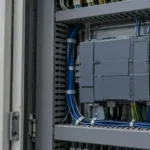

This Saudi-based protection engineering provider supplies, configures, tests, retrofits, and commissions IED protection relays for industrial and utility projects across Saudi Arabia. For buyers comparing an IED protection relay supplier KSA teams can rely on, the stronger choice is usually the one with better engineering support, commissioning discipline, documentation quality, and after-sales capability, not simply the lowest commercial offer. The available service scope includes relay supply, complete protection panels, coordination studies, programming and reprogramming, calibration, commissioning and testing, upgrades for older relays, and technical support.
Why supplier quality matters more than catalog breadth
IED protection is not just a hardware purchase. IEC 60255-1 defines common rules and requirements for measuring relays and protection equipment, including distributed protection schemes that can involve control, monitoring, and process-interface equipment. IEC 60255-26 covers EMC requirements, and IEC 60255-27 covers product safety requirements. In practical terms, that means relay performance depends on standards compliance, engineering application, wiring, testing, and the surrounding protection scheme, not only on the relay model itself.
That is why a serious protection relay supplier Saudi Arabia shortlist should be judged on how well the supplier can support settings, testing, retrofit work, protection studies, and commissioning, not just on which relay family appears in the quotation. The live relay page itself emphasizes protection coordination studies, testing, upgrades for old relays, and commissioning support as part of the offer, which is exactly the right buyer focus.
What a strong IED relay supplier should actually provide
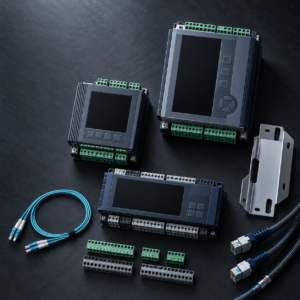
A strong supplier should be able to support more than relay delivery. The service scope on the relay page includes design and supply of relays and spare parts, complete protection panels, coordination studies, programming and reprogramming, calibration, commissioning and testing, replacement and upgrades of old relays, and technical support. That is far more useful for an industrial project than supply-only support because it covers the real failure points seen in the field: wrong settings, incomplete retrofit work, weak commissioning, and poor documentation.
For that reason, the first page worth reviewing is protection relays. If the supplier cannot explain how it will handle settings, testing, retrofit work, and protection integration, the risk has simply been moved from procurement to startup and operations. Where the relay scope touches feeder or bus equipment directly, it also makes sense to review LV & MV switchgear solutions in parallel.
Engineering depth should come before relay model numbers
A weak buyer process starts with relay brand and part number. A better buyer process starts with the protected asset, CT and VT arrangement, system earthing, fault levels, trip logic, backup philosophy, communication needs, and whether the site needs retrofit or greenfield support. IEC 61850-5 defines communication requirements supported by intelligent electronic devices in utility automation systems, and IEC 61850-6 defines the file format used to exchange IED capability descriptions and system descriptions between engineering tools. That means engineering compatibility and configuration workflow are part of the relay decision, not a separate issue.
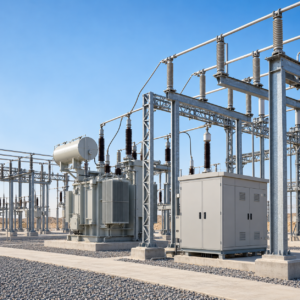
This matters especially for projects involving feeder relays, transformer protection, generator protection, or retrofit work inside existing substation or industrial switchgear. A supplier that understands engineering-tool exchange, CT/VT interfaces, and protection logic will usually be more valuable than one that only offers device availability. That is also why related internal references such as types of protection relay in power system and protection relay configuration are useful early in the evaluation process.
Commissioning scope should be one of the biggest buying criteria
Commissioning is one of the clearest separators between a relay seller and a protection partner. The relay service page explicitly lists calibration, commissioning, and testing, and the IEEE/PES commissioning-testing guide for protection systems says teams should re-confirm that proper relay settings are in the correct relays, perform CT-related testing, perform dc functional testing on modified trip and close paths, confirm test-switch position, and perform voltage confirmation testing before service.
Manufacturer commissioning manuals reinforce the same point. One published commissioning manual says the commissioning document provides procedures for energizing and checking external circuitry, settings and configuration, verifying settings, and performing directional tests, while another commissioning guide notes that factory-delivered projects should be checked, protection relay connection status verified, and commissioning steps followed in sequence. For buyers, this means the supplier should define its commissioning method clearly before award.
A stronger quotation should therefore define at least these items: settings review, I/O verification, logic verification, secondary injection or functional testing as applicable, trip-path verification, documentation of as-left settings, and handover records. If those items are vague, the risk will likely reappear during energization or the first real fault.
Documentation quality affects reliability after handover
Good documentation is one of the clearest signs of a serious relay supplier. IEC 61850-6 exists because configuration exchange between IED tools and system engineering tools must be controlled and compatible. In practical project terms, the buyer should expect settings files, protection logic records, test results, I/O mapping, communication configuration, and final as-left documentation to be available after commissioning. Without that, future maintenance and troubleshooting become harder and slower.
This is one reason retrofit projects deserve special attention. The service page specifically includes replacement and upgrades for old relays with required modifications, which means the supplier should also be able to document what changed in the scheme, not only what relay was installed. That is especially important for relay retrofit services Saudi Arabia projects where existing panels, test switches, trip circuits, or communication paths are being altered.
Protection integration with switchgear should be checked before purchase
Relay quality cannot be separated from the switchgear or protected equipment around it. The switchgear service page states that pre-energization testing for LV and MV switchgear should include insulation resistance, contact resistance, breaker timing, and relay verification. It also lists installation, testing, commissioning, cable work, retrofit support, breaker maintenance, and technical support. For buyers, that means a good relay supplier should be able to coordinate with the switchgear scope instead of treating relay work as an isolated panel task.
That is why projects involving feeders, incomers, transformers, or generators should often review LV & MV switchgear solutions together with protection relays. This is also useful for generator protection relay supplier Saudi Arabia decisions, because generator protection depends heavily on coordination between relay logic, breaker behavior, and the wider protection scheme.
After-sales support should be treated as a technical process
After-sales support matters more in protection than in many other electrical products because settings, tests, and scheme changes continue after startup. The service page includes technical support and training, and the live page also highlights monitoring and diagnostics and professional installation, testing, and commissioning by the technical team. For buyers, that means support quality should be judged by how the supplier handles settings review, change control, troubleshooting, and training, not by generic promises.
A useful way to think about this is simple: a reliable supplier should still be helpful after the first successful energization. That includes post-commissioning support, periodic review, troubleshooting support, and upgrade planning where older relays are nearing obsolescence.
A practical buyer checklist for Saudi industrial teams
Before choosing an IED protection relay supplier KSA projects should confirm five things. First, the supplier can support engineering studies, settings, and panel integration, not only hardware supply. Second, the supplier can define a clear commissioning and testing scope. Third, the supplier can document configuration, settings, and final as-left results properly. Fourth, the supplier can support retrofit work on existing schemes. Fifth, the supplier can coordinate relay work with switchgear and the wider power system. These criteria are supported by IEC 60255 standards, IEC 61850 engineering and communication requirements, the protection commissioning guide, and the live protection and switchgear service pages.
FAQ
What should buyers compare first when choosing an IED protection relay supplier?
Start with engineering depth, commissioning scope, retrofit capability, documentation quality, and after-sales support. Those factors affect reliability more directly than price alone because protection projects depend on settings, testing, and scheme integration as much as on the relay device itself.
Why is commissioning scope so important?
Because protection systems must be proven before service. The published commissioning-testing guide for protection systems includes re-confirming settings in correct relays, CT-related checks, dc functional testing of trip and close paths, and voltage confirmation testing as part of the process.
Why does IEC 61850 matter when evaluating relay suppliers?
Because IEC 61850-5 defines communication requirements for intelligent electronic devices in utility automation, and IEC 61850-6 defines the engineering file format used to exchange IED and system configuration data between engineering tools. A supplier that understands those workflows is generally better prepared for modern digital protection projects.
When should a plant prefer retrofit support instead of simple replacement?
When the project involves existing panels, existing trip circuits, legacy relays, or coordination with installed switchgear. In those cases, the supplier needs to handle modifications, settings transfer, testing, and documentation, not just install a new relay.
If your project needs an IED protection relay supplier KSA teams can trust for supply, testing, retrofit, or coordination support, start with protection relays, align the wider feeder and panel scope through LV & MV switchgear solutions, and use contact the protection team to request a relay review and quotation.